


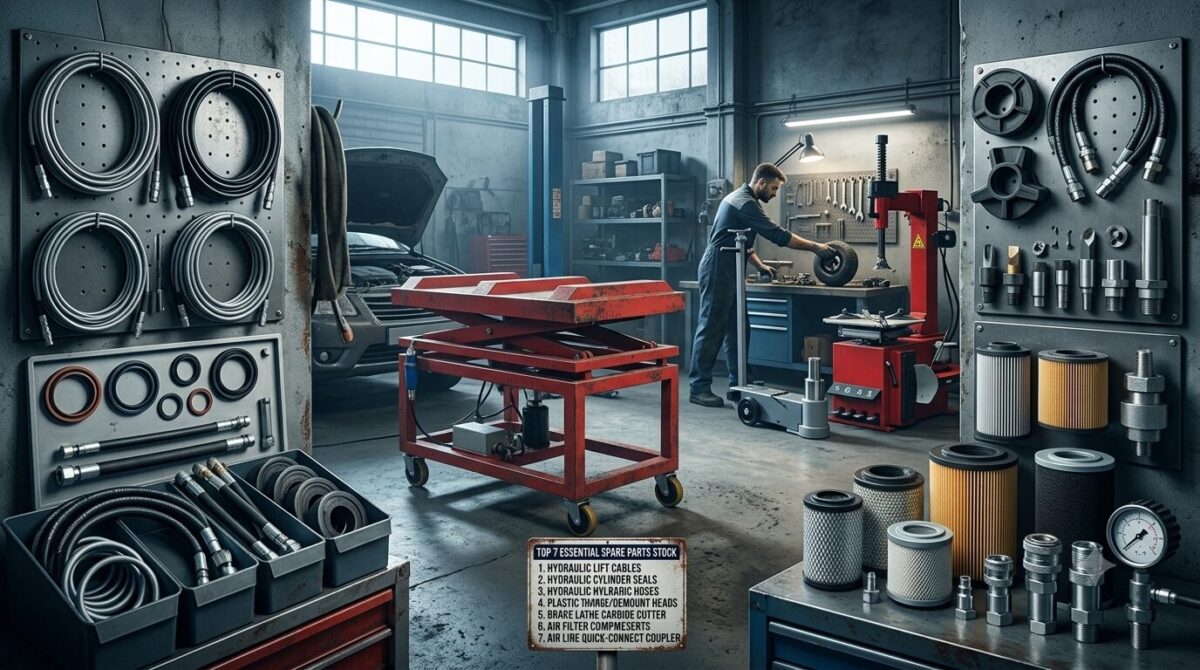
Running a successful auto repair shop requires speed, reliability, and precision. When a customer brings a vehicle into your bay, every minute counts. However, unexpected equipment breakdowns can bring your operations to a sudden halt. To prevent costly downtime, every auto workshop must maintain an inventory of critical garage equipment spare parts. Stocking the right replacement components ensures your service bays stay operational, your mechanics stay productive, and your revenue stays steady.
From hydraulic lifts and air compressors to tire changers and diagnostic tools, your garage machinery relies on high-wear components that naturally degrade over time. Having essential garage equipment spare parts readily available allows you to perform fast, preventive maintenance before small issues turn into major machinery failures.
In this guide, we break down the top 7 essential garage equipment spare parts every auto workshop must stock, why they matter, and how to manage your replacement inventory effectively.
Why Auto Workshops Need a Dedicated Spare Parts Inventory
Machinery failure in an auto workshop is more than an inconvenience—it directly impacts your bottom line. When a two-post lift fails or an air compressor loses pressure, vehicle turnaround time increases, technician efficiency drops, and customer satisfaction plummets.
Having a strategic stock of essential garage equipment spare parts offers several distinct advantages:
- Minimizes Service Bay Downtime: Quick access to replacement components means your team can fix broken equipment in hours instead of waiting days for shipping.
- Reduces Repair Costs: Emergency shipping fees and last-minute original equipment manufacturer (OEM) part orders are significantly more expensive than planned inventory purchases.
- Extends Equipment Lifespan: Replacing worn seals, belts, and filters on time prevents cascading damage to major internal components.
- Enhances Workshop Safety: Worn hydraulic hoses or degraded cable pulleys pose direct safety risks to your technicians. Regular replacements ensure full operational safety compliance.
Top 7 Essential Garage Equipment Spare Parts to Stock
1. Hydraulic Lift Seals and O-Rings
Hydraulic vehicle lifts are the backbone of any automotive workshop. Whether you operate two-post, four-post, or scissor lifts, hydraulic cylinders rely on high-pressure rubber seals and O-Rings to raise heavy vehicles smoothly.
Over time, continuous friction, heat, and hydraulic fluid exposure cause seals to harden, crack, or leak. A damaged seal leads to pressure loss, slow lifting cycles, or dangerous fluid leaks on the workshop floor.
- Why Stock Them: Rubber seals are inexpensive, consumable parts that fail predictably after heavy use.
- Maintenance Tip: Inspect hydraulic lift cylinders monthly for fluid weeping around the piston rod.
2. Air Compressor Filters, Belts, and Valves
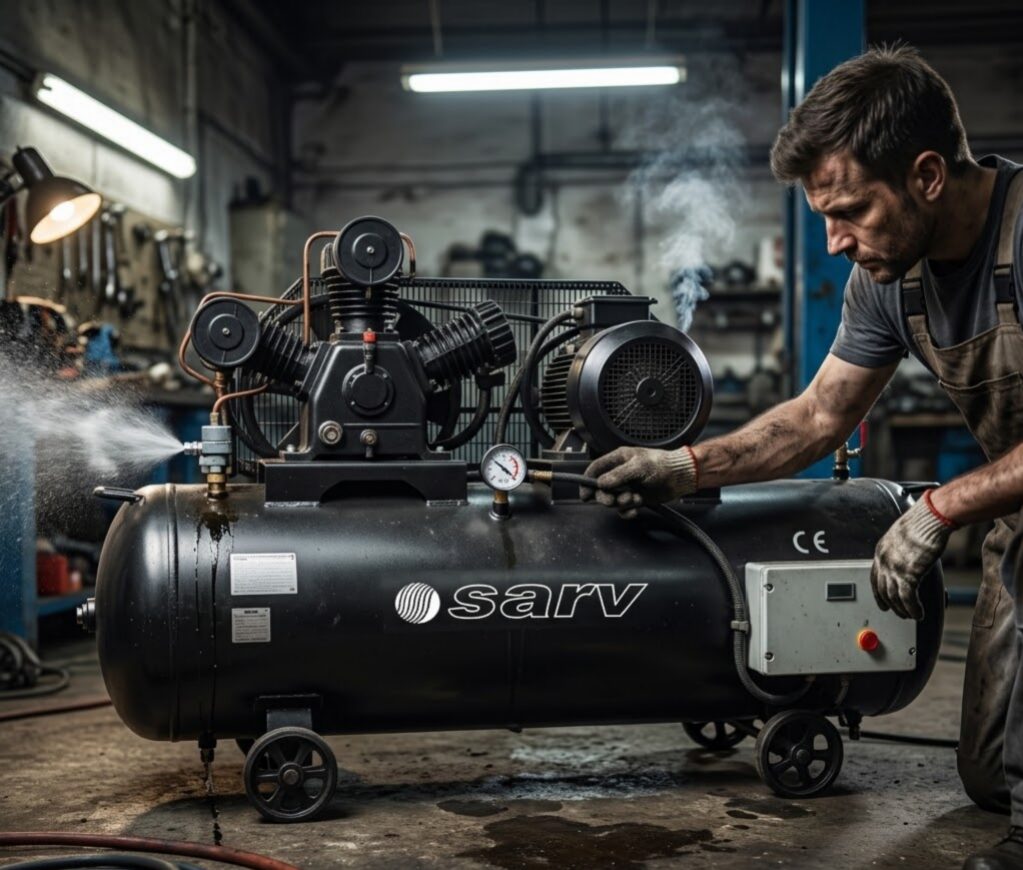
Pneumatic tools, tire changers, and paint sprayers depend on a clean, reliable air supply. Your air compressor works constantly throughout the day, making its wearable parts prime candidates for routine replacement.
Key compressor spare parts include:
- Air Intake Filters: Prevent dust, dirt, and shop debris from entering the pump cylinder.
- Drive Belts: Transfer power from the motor to the pump; worn belts slip, squeal, and reduce air production.
- Check Valves & Moisture Drain Valves: Prevent backflow and discharge accumulated water from the air tank to avoid internal rust.
Neglecting air compressor filters causes dirt contamination, overheating, and total pump failure. Keeping spare filters and drive belts on hand ensures continuous pneumatic supply.
Link to an authoritative industrial standards guide, such as Compressed Air & Gas Institute (CAGI) guidelines on compressed air safety.
3. Steel Equalizer Cables and Pulleys for Lifts Lifts
Two-post automotive lifts rely on heavy-duty steel equalizer cables and sheaves (pulleys) to ensure both carriage arms rise at the exact same height and speed.
Because these cables are constantly under heavy tension, they experience mechanical stretch and wire fraying over time.
- Signs of Wear: Frayed steel strands, metal rust, or uneven lifting heights between the left and right posts.
- Why Stock Them: Operating a lift with frayed cables is extremely dangerous and violates safety standards. Keeping a certified set of replacement cables ensures immediate repair if wear is detected during morning safety checks.
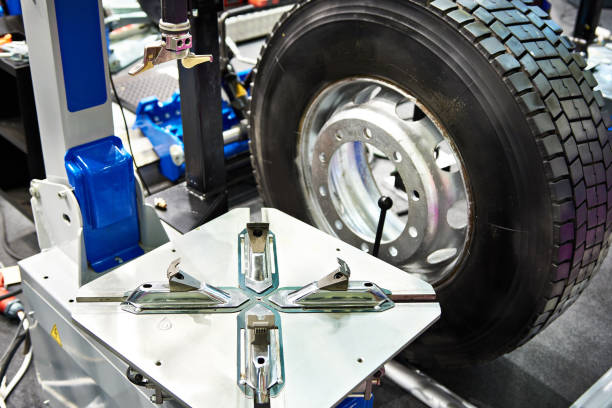
4. Tyre Changer Duckheads, Mount Heads, and Protection Pads
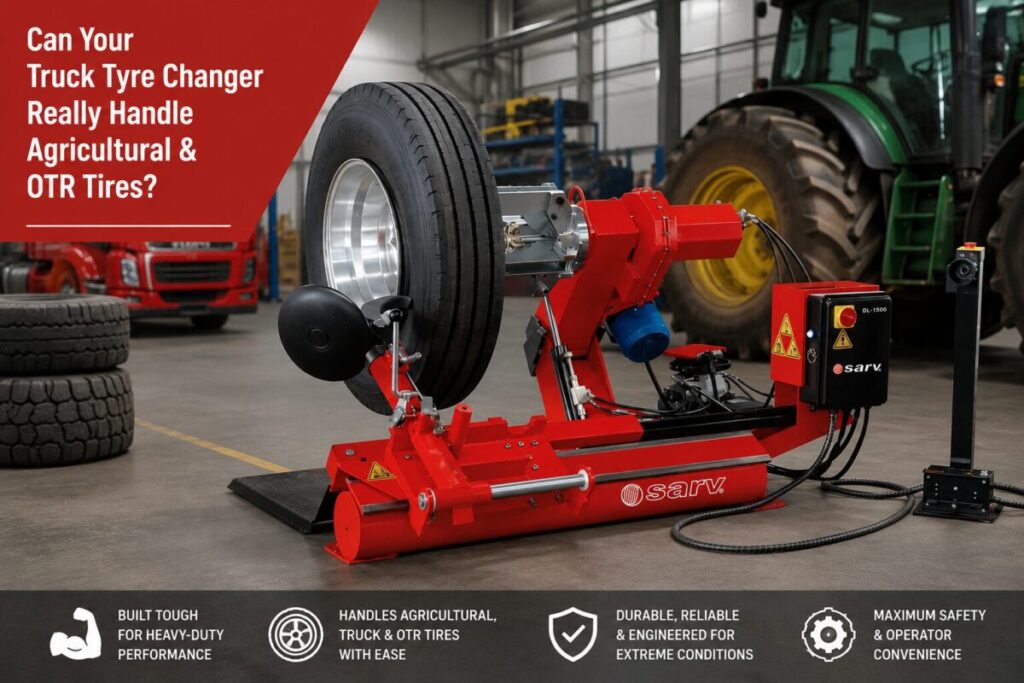
Tyre changers experience constant contact with tough metal rims and rigid tire beads. The plastic or composite mounting duckhead (the tool head that guides the tire bead over the rim) wears out continuously under heavy shop usage.
Stocking spare plastic duckheads and rim protection pads prevents wheel scratching, especially on high-end alloy wheels.
Key tire changer parts to keep in inventory:
- Mounting/Demounting Duckheads: Steel or plastic replacement heads.
- Bead Breaker Blades & Rubber Pads: Protect rims during bead breaking.
- Air Cylinder Seals & Foot Pedal Valves: Ensure consistent pneumatic clamping pressure.
5. Wheel Balancer Quick-Nuts and Pressure Cups
Wheel balancers rely on precise calibration and secure clamping to detect weight imbalances accurately. The quick-release nut (quick-nut) and pressure cup thread onto the balancer shaft hundreds of times per week.
Friction gradually wears down the inner threads of the quick-nut, causing it to slip or lose grip during high-speed balancing spins.
- Impact of Worn Parts: Loose clamping leads to inaccurate weight readings, re-runs, and unsatisfied customers.
- Solution: Keep at least two spare quick-release speed nuts and rubber pressure rings in your wheel service storage bay.
6. Hydraulic Hoses and High-Pressure Couplers
Hydraulic fluid line failure is one of the most common causes of unexpected equipment shutdown. Lifts, frame pullers, and shop presses use high-pressure rubber hoses that endure constant flexing and high fluid pressure.
A leaking or bulged hydraulic hose must be replaced immediately to prevent catastrophic fluid loss or lift drop.
- Key Items to Stock: Standard-length replacement hoses, quick-disconnect fittings, and thread sealants rated for high hydraulic pressures.
7. Electrical Switches, Contactors, and Fuses
Garage machinery relies heavily on heavy-duty electrical components. Dust, thermal cycling, and electrical surges can burn out control switches, thermal relays, and limit switches.
Common electrical spare parts every shop needs:
- Up/Down Power Unit Push Buttons: Wear out from thousands of manual presses.
- Safety Limit Switches: Prevent lift carriages from over-traveling into top beams.
- Magnetic Contactors & Fuses: Protect electric motors from voltage spikes.
Having a clean electrical kit stocked with switches, fuses, and wire connectors allows your technician or local electrician to restore machinery function within minutes.
Essential Garage Equipment Spare Parts Inventory Checklist
Use this quick-reference checklist to manage your workshop spare parts stock effectively:
| Equipment Type | Essential Spare Part | Recommended Minimum Stock | Replacement Frequency |
| Hydraulic Lifts | Cylinder Seal Kits & O-Rings | 2 Sets per lift model | 12 – 24 Months |
| Two-Post Lifts | Steel Equalizer Cables & Sheaves | 1 Complete Set | 24 – 36 Months / On Inspection |
| Air Compressor | Intake Filters, Belts, Check Valves | 2 Filters, 1 Belt | 6 – 12 Months |
| Tire Changer | Plastic Duckheads & Protection Pads | 5 – 10 Heads / Pads | Monthly / As Worn |
| Wheel Balancer | Quick-Release Speed Nut & Cones | 1 Quick-Nut Kit | 12 – 18 Months |
| Hydraulic Tools | High-Pressure Hoses & Fittings | 2 Hoses (Standard lengths) | Upon Visual Inspection |
| Power Units | Electrical Limit Switches & Buttons | 2 Push-Button Units | As Needed |
Best Practices for Managing Garage Spare Parts
Stocking parts is only half the battle; organizing them efficiently is what saves time during equipment breakdowns.
- Establish Minimum Reorder Points: Set a threshold for consumable parts (like tire changer duckheads). When stock hits two units, reorder immediately.
- Buy OEM or Certified Aftermarket Parts: Never compromise on safety components like lift cables or hydraulic hoses. Choose certified parts that meet original equipment specifications.
- Store Parts in a Clean, Dry Area: Rubber seals, electrical switches, and steel cables degrade quickly if exposed to moisture, direct sunlight, or chemical fumes.
- Schedule Weekly Equipment Inspections: Train your technicians to inspect cables, hoses, and air filters every Monday morning. Early detection prevents sudden breakdown mid-job.
Summary
Maintaining a proactive inventory of essential garage equipment spare parts is a smart, cost-effective business strategy for any automotive repair shop. By stocking hydraulic seals, compressor filters, equalizer cables, tire changer pads, and electrical switches, you shield your business from costly service delays, protect your machinery investment, and ensure maximum safety for your technicians.
Organize your workshop inventory today and ensure your bays stay open and profitable year-round!
Keep Your Workshop Running Without Interruptions!
Is your workshop prepared for unexpected equipment breakdowns? Don’t let a missing seal or broken cable stop your daily repairs.
Browse our wide selection of certified [Garage Equipment Spare Parts] today! From hydraulic lift seals to tire changer accessories, we supply heavy-duty OEM replacement parts with fast nationwide shipping.
👉 [Shop Garage Equipment Parts Now] or contact our technical support team for expert advice on matching parts to your machinery!
Frequently Asked Questions (FAQs)
What are the most common garage equipment spare parts that fail first?
Consumable parts subjected to friction, pressure, or dirt fail most frequently. These include tire changer plastic duckheads, air compressor filters, hydraulic cylinder seals, and wheel balancer quick-nuts.
Should I buy OEM or aftermarket garage equipment spare parts?
For safety-critical components like lift cables, hydraulic hoses, and load-bearing sheaves, always buy OEM or certified heavy-duty aftermarket parts that meet strict safety standards. For simple rubber pads or dust covers, high-quality aftermarket parts are suitable.
How often should equalizer cables on two-post lifts be replaced?
Equalizer cables should be inspected daily for fraying, rust, or tension loss. Most manufacturers recommend replacing lift cables every 3 to 5 years, or immediately if any broken wires or flat spots are visible.
How do I determine the correct spare part for older garage machinery?
Check the equipment nameplate for the manufacturer name, model number, and serial number. Most parts suppliers can cross-reference serial numbers to supply exact fit replacement parts, even for older machinery.