



It was a busy Monday morning at a mid-sized automotive workshop. A regular customer walked in, slightly frustrated. “I think my car’s speedometer is lying to me,” he said. “I got a speeding ticket, but I swear I wasn’t going that fast.”
The technician smiled—this wasn’t the first time he’d heard that complaint. After a quick inspection, the issue became clear: the speedometer was off by nearly 10%. What seemed like a minor discrepancy had real-world consequences—legal trouble, safety risks, and reduced trust in the vehicle itself.
Moments later, the car was driven onto a speedometer testing machine. Within minutes, the exact error margin was identified and corrected. The customer left relieved—and far more confident in his vehicle.
This scenario highlights something many vehicle owners and even workshop operators overlook: speedometer calibration is not optional—it’s essential. In this blog, we’ll walk you through everything you need to know about calibrating a speedometer using a testing machine, from fundamentals to step-by-step procedures.
What is Speedometer Calibration?
Speedometer calibration is the process of aligning the speed displayed on a vehicle’s dashboard with its actual speed. Over time, various factors can cause discrepancies between the indicated speed and the true speed.
Calibration ensures:
- Accurate speed readings
- Compliance with road safety regulations
- Proper vehicle performance
Even a small deviation can lead to significant issues, especially at higher speeds. That’s why regular calibration is crucial for both individual vehicle owners and professional garages.
Why Speedometer Accuracy Matters
An inaccurate speedometer isn’t just inconvenient—it can be risky.
- Safety Risks: Drivers may unknowingly exceed safe speeds
- Legal Issues: Incorrect readings can lead to fines or penalties
- Vehicle Wear: Misjudged speeds can affect driving habits and maintenance schedules
For workshops, offering calibration services also builds credibility and trust with customers.
Types of Speedometers
Understanding the type of speedometer you’re working with is key to proper calibration.
Mechanical Speedometers
These rely on a cable connected to the transmission. As the vehicle moves, the cable spins and translates motion into speed readings.
- Common in older vehicles
- Calibration involves mechanical adjustments
Electronic/Digital Speedometers
Modern vehicles use sensors and electronic control units (ECUs) to measure speed.
- More precise but complex
- Require diagnostic tools for calibration
Each type requires a slightly different approach, but both benefit greatly from testing machine calibration.
What is a Speedometer Testing Machine?
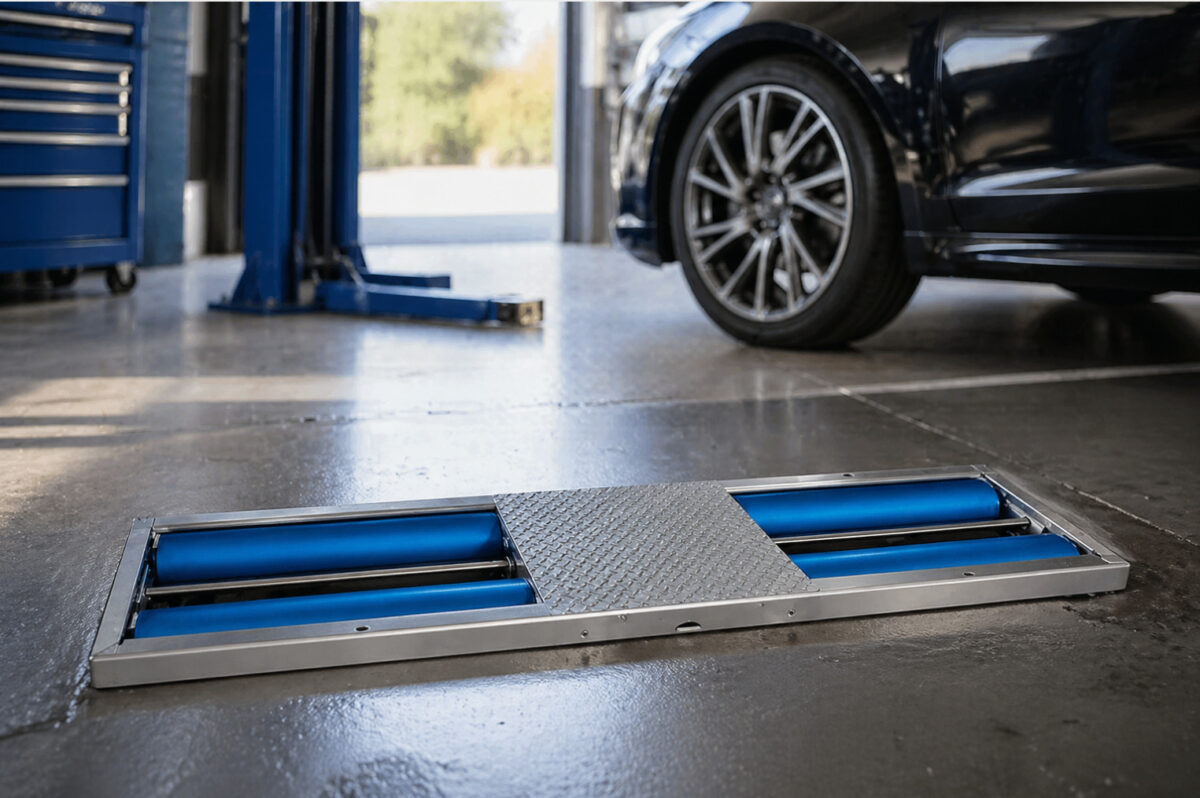
A speedometer testing machine is specialized equipment designed to simulate real driving conditions while the vehicle remains stationary. It allows technicians to measure actual speed and compare it with the displayed speed.
Common Types:
- Roller Bench Testers: Wheels rest on rollers that simulate road movement
- Chassis Dynamometers: Advanced systems used for performance testing and calibration
- Portable Testers: Used for quick checks and fieldwork
How It Works:
The machine rotates the vehicle’s wheels at controlled speeds. Sensors measure the exact speed, which is then compared to the speedometer reading.
Tools and Equipment Required
To perform accurate calibration, you’ll need:
- Speedometer testing machine
- Vehicle lifting system or roller setup
- Diagnostic software (for digital systems)
- Standard workshop tools
- Safety equipment (gloves, wheel clamps, etc.)
Having the right equipment ensures both accuracy and safety during the process.
Pre-Calibration Preparation
Before jumping into calibration, proper preparation is essential.
1. Inspect the Vehicle
Check for visible issues such as worn cables, faulty sensors, or dashboard errors.
2. Check Tire Size and Pressure
Tire dimensions directly impact speed readings. Ensure they match manufacturer specifications.
3. Verify Manufacturer Standards
Each vehicle has acceptable tolerance limits. Always refer to these before making adjustments.
4. Set Up the Testing Machine
Ensure the machine is calibrated and functioning correctly before use.
Step-by-Step Calibration Process
1. Mounting the Vehicle
Carefully position the vehicle on the testing machine. Ensure:
- Wheels are aligned properly
- The vehicle is securely fixed
- Safety locks are engaged
This step is critical to avoid errors and accidents.
2. Initial Speed Check
Run the vehicle at predetermined speeds (e.g., 20, 40, 60, 80 km/h).
- Record the speedometer readings
- Compare them with the machine’s actual speed
This gives you a baseline for identifying discrepancies.
3. Identifying Error Margins
Calculate the difference between actual and displayed speeds.
For example:
- Actual speed: 60 km/h
- Displayed speed: 66 km/h
- Error: +10%
Understanding this margin helps determine the adjustment needed.
4. Adjusting the Speedometer
For Mechanical Systems:
- Modify gear ratios
- Adjust the speedometer cable
For Electronic Systems:
- Use diagnostic tools to recalibrate ECU settings
- Update software parameters
This step requires precision and expertise, especially for modern vehicles.
5. Re-Testing and Verification
After adjustments:
- Repeat the speed tests
- Confirm readings fall within acceptable limits
Consistency across multiple speed ranges ensures successful calibration.
Common Challenges and Troubleshooting
Even with the right equipment, issues can arise.
Incorrect Tire Size
A common cause of inaccurate readings. Always verify before calibration.
Faulty Sensors
In electronic systems, damaged sensors can distort data.
Calibration Drift
Over time, systems may lose accuracy and require recalibration.
Machine Setup Errors
Improper alignment or setup can lead to false readings.
Identifying and addressing these issues ensures reliable results.
Safety Considerations
Working with testing machines involves potential risks. Always prioritize safety.
- Secure the vehicle properly
- Avoid loose clothing near moving parts
- Follow machine operating guidelines
- Ensure trained personnel handle the equipment
A safe environment leads to efficient and error-free calibration.
Benefits of Proper Calibration
Investing time in accurate calibration delivers long-term advantages:
- Enhanced Safety: Drivers can trust their speed readings
- Regulatory Compliance: Meets legal standards
- Improved Performance: Better driving and maintenance decisions
- Customer Satisfaction: Builds trust in your workshop services
For garage owners, this translates into repeat business and a stronger reputation.
When to Seek Professional Help
While basic checks can be done independently, some situations require expert intervention:
- Advanced electronic systems
- Lack of proper equipment
- Certification requirements for commercial vehicles
Professional-grade machines and trained technicians ensure precise calibration.
Conclusion
Speedometer calibration is more than just a technical procedure—it’s a vital aspect of vehicle safety and performance. Whether you’re managing a workshop or maintaining your own vehicle, ensuring accurate speed readings should always be a priority.
Using a speedometer testing machine not only simplifies the process but also guarantees reliable, repeatable results. From initial inspection to final verification, each step plays a crucial role in achieving precision.
Drive Accuracy with the Right Equipment
At SARV Garage Equipments, we understand the importance of precision in automotive diagnostics and calibration. That’s why we offer high-quality speedometer testing machines and garage equipment designed to meet the needs of modern workshops.
Whether you’re upgrading your facility or starting a new garage, our solutions help you deliver accurate, professional services your customers can trust.
Explore our range of advanced garage equipment today and take your workshop to the next level with SARV Garage Equipments.